AI is an amazing learning tool. It also just gives you the answer, and humans are wired to take paths of least resistance. At scale in practice, humans will simply turn off the brain and use the tool. Over time, do we get smarter?
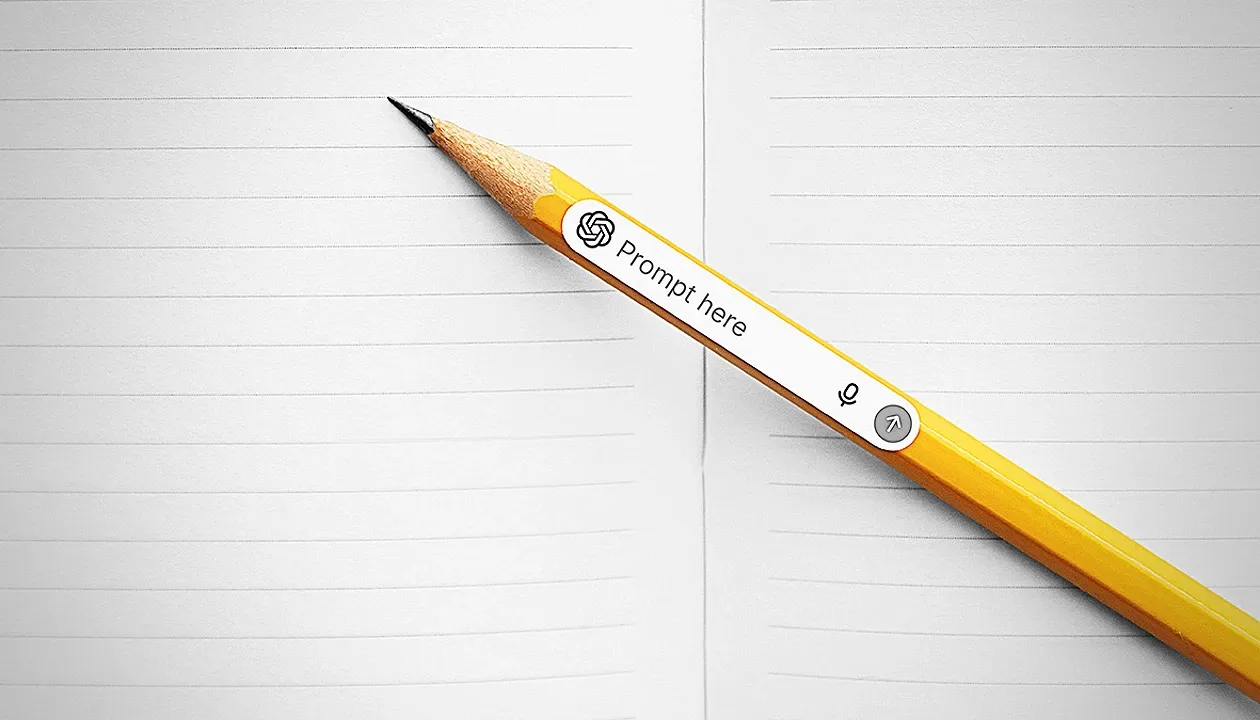
Colleges grapple with AI use in the STEM classroom amid uncertain impacts
College STEM educators are testing generative AI as a learning aid while trying to limit possible harm to students' critical thinking, with long-term effects still unclear.
Human take
These are the author’s thoughts, made without AI and typed directly into our publishing software without assistance.
Start the conversation
We don’t host comments. The discussion lives on r/hastalavistaai. Be the first to post this story there.
Related
Society · Wire
70% of teens admit to using AI for schoolwork — as test scores plunge: ‘It slowed my thinking down’A survey reports 70% of teens use AI for schoolwork, many just to get answers, as test scores fall, raising questions about AI's effect on learning and thinking.
Society · Wire
AI fuels cheating concerns in schools, mistrust between teachers, studentsA Harvard Center for Digital Thriving report finds AI is fueling cheating concerns and mistrust between teachers and students, with students feeling pressure to use it to keep up.
Human take
You cannot escape AI. This is capitalism, where competition is the bedrock, and AI is too good to not use.
Society · Wire
Learning math goes (slightly) better with AI, but human teacher plays a key roleA Radboud University study of nearly 8,000 children found an AI learning tool modestly sped up arithmetic learning, but teachers remained essential to the gains.
Society · Wire
Google’s AI push in schools fuels plunging test scores — as kids left ‘dependent’ on chatbots: reportA report says Google's expansion of AI tools in schools coincides with falling test scores and students becoming academically and emotionally dependent on chatbots.
Work · Wire
Fearing AI, young workers retrain for hands-on jobsSome young workers are leaving office jobs for teaching, health care and the trades out of concern about AI. The shift shows how anticipated automation is already shaping career choices and trade-offs.
Society · Wire
AI is eroding office hours, study groups, and the trust between faculty and students, MIT report findsAn MIT committee reports AI is weakening office hours, study groups, undergraduate research, and faculty-student trust, and calls for an overhaul of higher education.
Work · Wire
AI Benefits at Work Unevenly DistributedA Gallup survey finds U.S. workers using AI report speed and creativity gains, but those users tend to already hold quality jobs, suggesting AI may widen workplace inequality.
Work · Wire
AI could push 11 million Americans into new careers by 2035A McKinsey Global Institute report projects AI could force about 11 million Americans to change careers by 2035, identifying shrinking and growing jobs and the workers facing the hardest transitions.
Human take
11 million is conservative, and so is the timeline. This will happen faster and at a larger scale than this estimation.