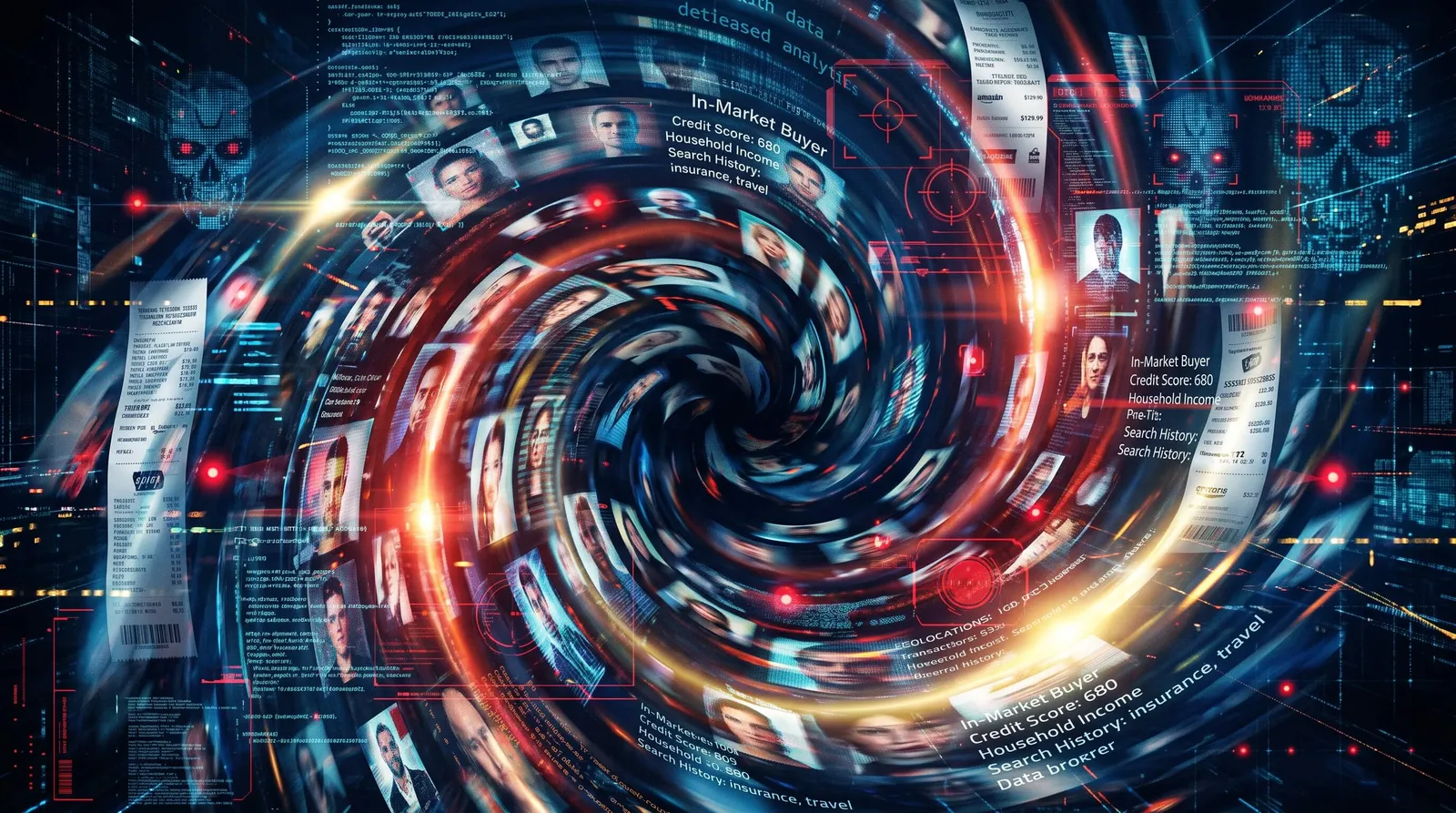
Imagine you could hit a button and spin up 10,000 consumers in a target demographic, just like you can spin up 10,000 cloud servers in a particular region today.
The consumers would be modeled after real consumer data, and an AI agent would be the interface. You could then test & re-test campaign ideas, ask questions on preferences, and get insight from the consumer on what would work better to entice them to buy.
Would it be perfect? Nope. Would it be pretty accurate? Yep. And would it be a huge step up from most shotgun approaches today? Most definitely.
You could simulate whatever customer demo you wanted, whatever single customer you wanted, and use AI to crunch the numbers on the best approach to get them to buy, across an infinite number of attempts, before presenting the winning one to the real consumer.
Let's make the case that #1 this is possible today and will happen, and #2 this is wonderfully terrible.
You have an enormously rich digital footprint and it's big business.
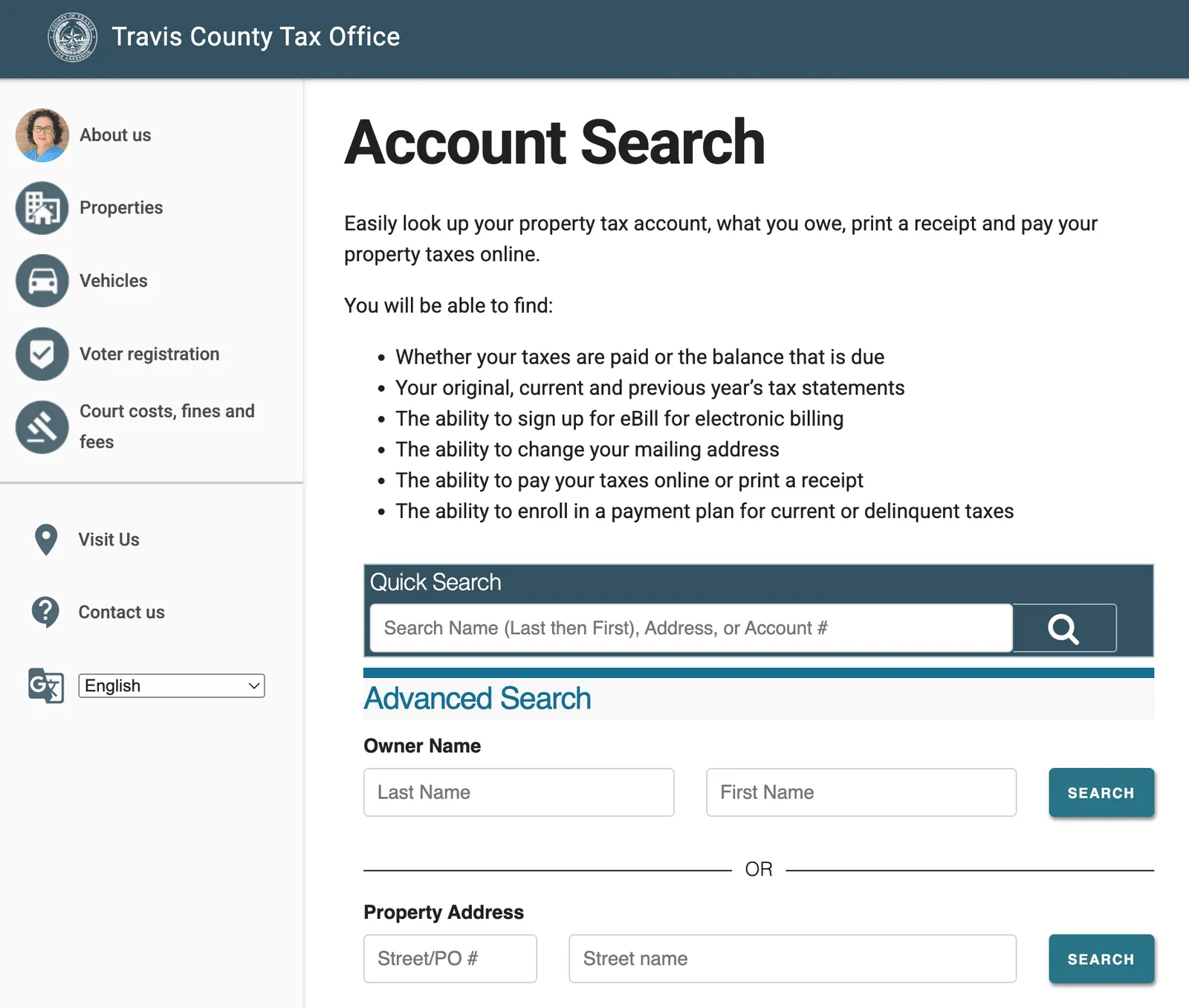
There's a lot about you online, and you may not realize it. A good chunk of it is public data, too: property deeds, tax records, court filings, voter rolls, marriage & divorce records, professional licenses, and often DMV data.
Then, there's the enormous treasure of all the private data: purchase histories, warranty registrations, any and all subscriptions, contest entries, where you've signed up, where you've clicked, what you've bought, and often, what you've said, including things like search & browser history. And in this casino economy, real-time auction data and what you gamble on are within purview.
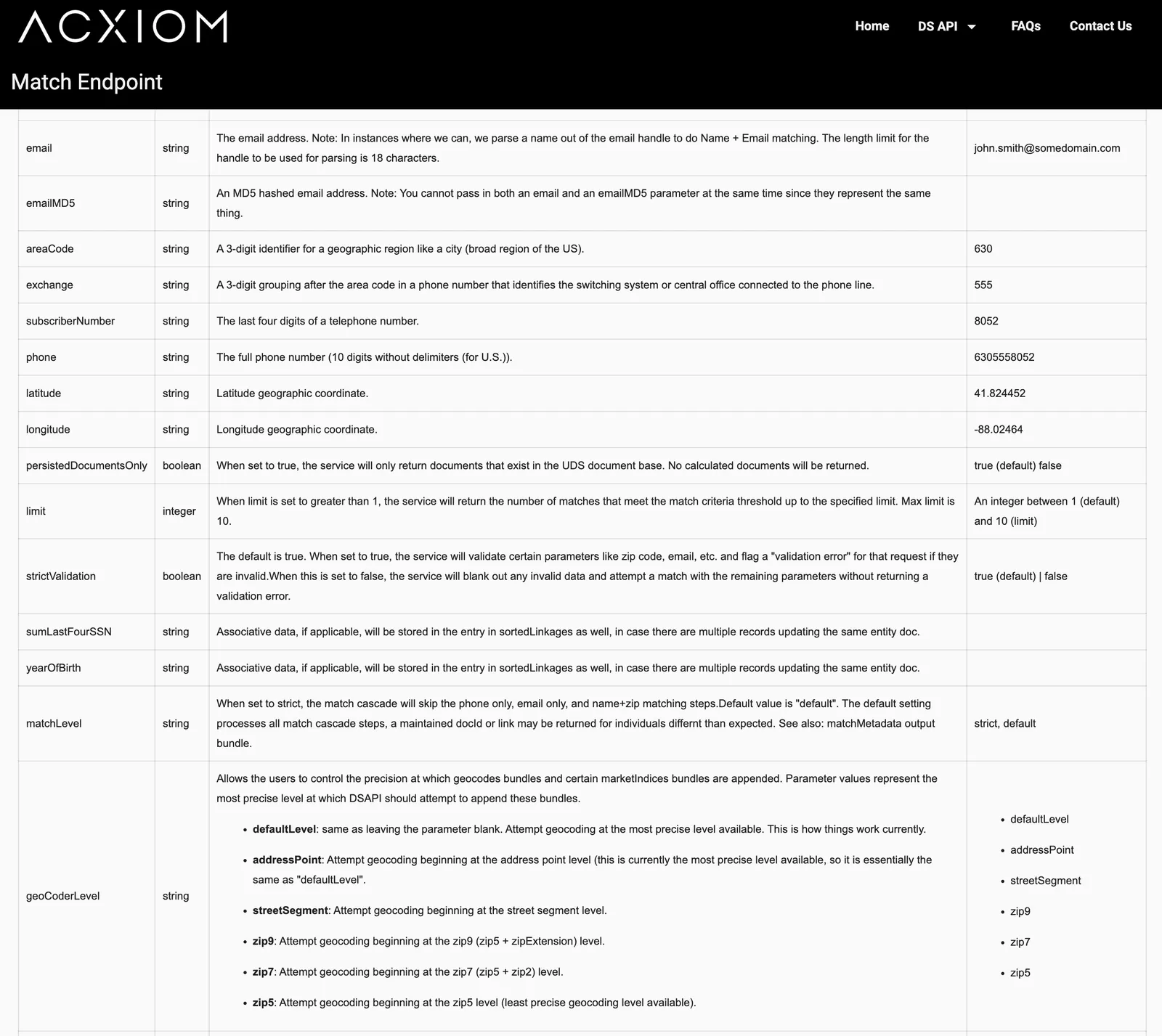
Of course, then you have a phone in your pocket with GPS capabilities. Your location is being beamed out all of the time, often on purpose and by design, sometimes by accident. Your newer car is designed in the same way.
And of course, let us not forget social media. Remember Facebook & Cambridge Analytica?
To be fair, sometimes this data isn't sold on purpose. But data breaches are a thing, where through hacks or social engineering bad actors will obtain all the private data on you, including passwords, and put it out for sale.
Brokers then get their hands on this data and work to ensure it's as accurate as possible. The more accurate, the more recent the data, the more valuable.
Part of the process includes enriching the data with inference about the consumer — attaching attributes like "likely diabetic," "new parent," "gun owner," "LGBTQ-interested." This inference gets supercharged with AI.
This data then gets sold to marketers. If I want to sell a gold-plated AK-47 with a Pride flag on it, that's quite the specific audience. I can query and buy the data that I think would best fit the objective, based on how rich the data actually is. I can use it to find my people.
Other buyers of these kinds of digital profiles are credit bureaus, risk advisors (think insurance, legal, law enforcement), the government, phonebook sites, and more.
Your digital footprint, today, is used to perfectly target you for anything it thinks is relevant. Ever search for something online, only to get a non-stop firehose of ads for adjacent products? That's your data in action, not a conspiracy theory. It's efficient marketing from your rich data.
AI can emulate characters based on a set of written instructions, with the more data the better.
There's a huge economy of "Her"-like companion AIs, and some that are targeted at kids. You can make an AI agent in the image of whatever you want, fine-tune the personality, and have it be your pal. It's designed to convince you it's a real companion, and the measure of its success would be in the LTV of a customer. The longer they stay in the service, and the longer they engage with the companion, the deeper the emotional dependence on the AI becomes, and the more the kayfabe drops to the subconscious.
If you've worked with AI agents, especially 1-2 years ago, you know that generally, the more specific instructions you provide, the better results you get. The more context that is there, the more the AI can work with. That's when "prompt engineers" became a thing, and the thought was, if you get really good at being able to get AI to do something, that's a super valuable job.
But no, that was always just a gap that would quickly close. Now, you can be pretty sloppy and still get fantastic results. But, context is still enormously helpful.
If AI wanted to emulate you, it would need a lot of context. And all of that context is there, today, and part of a ~300B data economy.
Today, you can build an AI agent to be you.
This is even part of the value proposition — "answer my emails for me in the same way I would," for example. "If the email needs me, let me know."
This is an efficiency gain. "Look at my finances and show me all subscriptions." That's a thing today, too, which also vaporizes a good chunk of the business models of companies like Rocket Money.
LLMs themselves are on a bedrock of next-word prediction: they ingest a ton of context data, then are trained to calculate the probability of the next word, or token.
There are entire companies that exist to attempt to guess the next purchase of a consumer, only they're operating with limited context. Think "You may also like" sections on websites, which map complementary product relationships with some rudimentary knowledge on the customer's purchase history. Amazon is killer at this because customers have been feeding it their purchase preferences (by using Amazon) for years.
You can use AI, then, to take your enormous history of data from these brokers, and turn on a "thinking" version of you. This thinking version of you can then be asked to review 10,000 AI-generated versions of a landing page, get "your" feedback, and see which one is most likely to result in a purchase, given all the context about you and your previous history.
Same for everything — which ad works the best, which video stops the scroll, which testimonial, and so on. Everything, anything, it's all the same.
The result is a future where everything you see is on the money: perfectly curated to you, well beyond where we are today. More accurate, more weird if that's your thing, with all variations in between.
Don't get me wrong, I actually think curated, personalized advertising is a good thing. It's a dirty thing, but the consumer experience is better when I'm being shown things that are relevant. If ads are going to exist, and they are, then I'd prefer to see one about cowboy boots and not a Pride edition gold-plated AK-47. No offense implied, I support the cause, but that's not a relevant product for me at this time.
But what does a world look like where everything is as close to "perfect" as we can make it? I think it may suck, but more in a soul-crushing way than a "bad" way.
See, when the models started to come out this year that were truly great at software development, the software developer human at the helm had to experience that revelation: this is better than I am. Or: this got really good, really fast.
This goes beyond marketing, of course, as there's many different types of campaigns out there, including political ones.
Imagine wanting to convert the hearts & minds of a particular demographic in America, then being able to simulate them based on their real data, and then test infinitely until you arrive at the perfect message and approach.
I'd like to imagine it would be less accurate than figuring out what they want to buy. But I'm not sure. And that may just be a gap to close.